
Opening an endless online product matrix can feel like staring into a digital abyss. When thousands of entries reload every time you adjust a column filter, browsers freeze, links break, and decision fatigue sets in before you even evaluate a product. Learning How to Navigate 10.000+ Litbuy Listings Without Overload is essential for international shoppers seeking a clean, efficient browsing experience without getting buried under endless data. Modern web catalogs solve this friction by indexing raw data into structured, easy-to-browse product grids, replacing unresponsive rows with fast visual discovery.
Smart Search Tip: Looking for more? To find items instantly, use single-word keywords (e.g., “SHOES” or “T-SHIRT”) instead of long sentences for the best results.
- The Friction of Raw Spreadsheets vs Visual Catalog Navigation
- A Workflow Strategy to Eliminate Decision Fatigue
- Evaluating Sizing Charts and Physical Specifications
- Interpreting Quality Control Photos Before International Dispatch
- Managing Global Shipping Trade-Offs and Package Weights
- Practical Sourcing Questions Answered
The Friction of Raw Spreadsheets vs Visual Catalog Navigation
Traditional cloud spreadsheets were never designed to function as e-commerce storefronts. When thousands of rows populate simultaneously, mobile browsers lag, scrolling jumps unpredictably, and image thumbnails fail to render. Finding a specific item or comparing alternative sellers often turns into a frustrating process of opening dozens of unorganized tabs.
Web-based platforms address this exact bottleneck. By transforming flat spreadsheet rows into a responsive, WooCommerce-style catalog, resources like the lit buy spreadsheet directory allow users to filter listings instantly by category, brand, or style. Visual product cards replace abstract text descriptions, letting shoppers preview item details, pricing, and specs before jumping directly to an external shopping agent.

This structural evolution preserves all the deep sourcing data gathered by the community while eliminating the technical lag associated with large spreadsheets. Users spend less time waiting for cells to calculate and more time making informed purchasing decisions.
A Workflow Strategy to Eliminate Decision Fatigue
To avoid feeling overwhelmed when scanning massive product lists, experienced buyers rely on a structured filtering workflow rather than endless, unstructured scrolling. Narrowing your focus early prevents tab clutter and keeps your sourcing sessions organized.
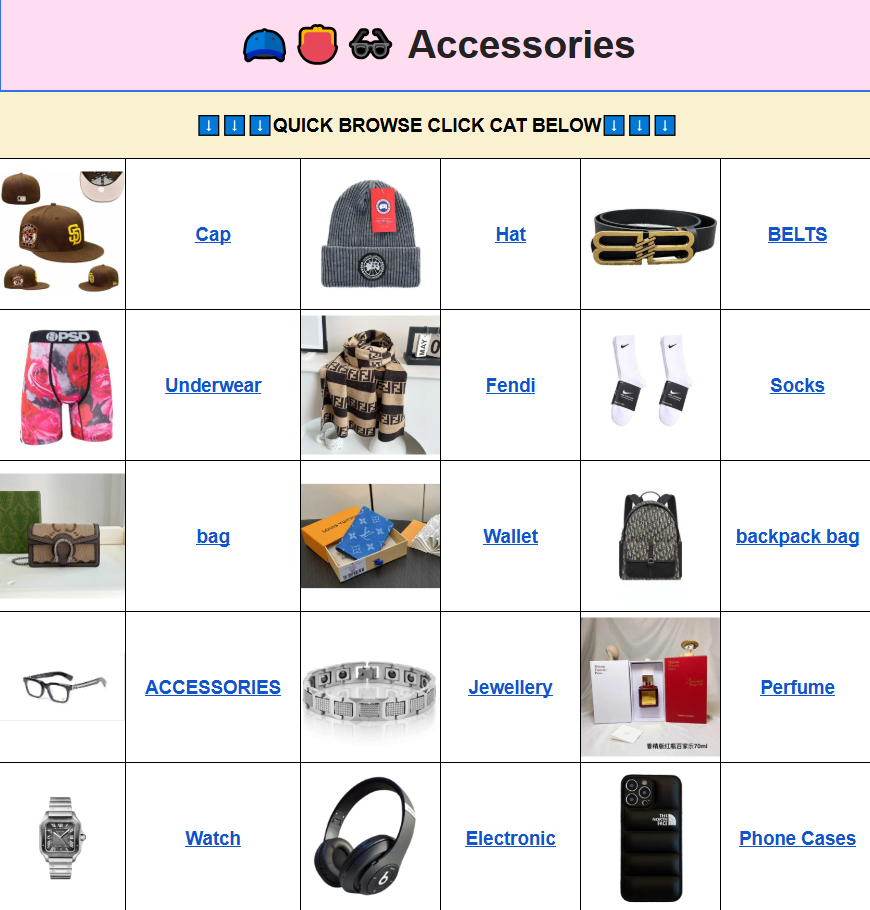
- Target Specific Categories First: Rather than browsing a global feed, filter directly by sub-category. For instance, if you are looking for small accessories or daily gear, jump straight to the litbuy spreadsheet accessories section to isolate relevant listings immediately.
- Utilize Single-Word Search Inputs: Complex search strings often fail in translated databases. Broad single terms like “BELT” or “HAT” yield cleaner results and prevent active listings from being filtered out incorrectly.
- Verify Seller Stock and Dispatch Times: Check whether the merchant dispatches items within 24 to 48 hours. Rapid dispatch indicates consistent stock levels rather than delayed drop-shipping.
- Shortlist Before Ordering: Save promising listings to a single bookmark folder or agent cart draft before committing, allowing a side-by-side comparison of weight, pricing, and available batch sizing guides.
The matrix below contrasts the browsing experience between traditional raw sheets and modern web-based product catalogs.
| Browsing Feature | Traditional Google Spreadsheet | Modern Web Catalog Format |
|---|---|---|
| Page Load Performance | Slow; prone to browser crashes on mobile | Fast; paginated grid loading |
| Visual Previews | Tiny hover thumbnails or raw text links | High-resolution product card images |
| Filtering Capability | Rigid column filters that slow down execution | Instant category and attribute navigation |
| Broken Link Rates | High; manual updates required per row | Low; automated directory maintenance |
Evaluating Sizing Charts and Physical Specifications
Sizing confusion is a primary driver of buyer remorse when sourcing apparel or accessories across international marketplaces. Factory dimensions vary widely depending on the manufacturer, meaning standard S/M/L labels offer little guarantee of a proper fit. Successful buyers rely exclusively on measurable specifications.
When reviewing manufacturer dimensions, compare the seller’s published size table against a garment you already own that fits well. Key physical dimensions to review include:
- Chest Width (Pit-to-Pit): Measured flat across the front of the garment, two centimeters below the armpit seam.
- Shoulder Width: Measured straight across from shoulder seam to shoulder seam.
- Total Garment Length: Measured from the highest collar seam down to the bottom hemline.
- Insole Length: Crucial for footwear; measure your actual foot length or insole dimensions in centimeters rather than relying on US or EU shoe size numbers.
- Item Weight & Density: Heavier fabric weights (e.g., 240+ GSM for t-shirts or 450+ GSM for fleece) usually indicate thicker material construction and better drape.
Remember that unwashed fabrics, especially heavy cottons, may shrink slightly upon first laundering. Choosing a size that allows 1–2 centimeters of tolerance beyond your minimum measurement ensures comfort over time.
Interpreting Quality Control Photos Before International Dispatch
Once your selected items reach your agent’s consolidation warehouse, you will receive Quality Control (QC) inspection photos. Knowing what to examine—and understanding the limits of photo inspection—prevents costly shipping errors.
Inspection photos allow you to confirm visual accuracy and structural integrity, but they cannot evaluate tactile properties or long-term durability. Setting realistic expectations helps avoid unnecessary returns while catching genuine defects.
- Verifiable Checkpoints in QC Photos: Print alignment, symmetry of seams and logos, hardware condition (zipper function, buckles, clasps), color accuracy under studio lighting, visible surface defects, and physical measurements when a tape measure is placed over the item.
- Non-Verifiable Qualities via Photo: Softness of internal linings, breathability, seam strength under tension, chemical odors, and long-term wear resistance.
If you suspect an item’s dimensions differ from the listing chart, ask your agent to provide a close-up photo with a ruler laid directly over the chest or length seam. Comparing this photo against the seller’s batch sizing guide gives you clear proof to request an exchange if the garment was mislabeled.
Managing Global Shipping Trade-Offs and Package Weights
The final step in navigating high-volume product catalogs is planning international parcel logistics. Overall shipping costs depend heavily on the final weight and physical volume of your consolidated order.
Customs handling and carrier selection vary by region:
- United States & Canada: Volumetric weight rules often apply to bulky items. Removing shoe boxes or excess protective packaging reduces parcel dimensions, keeping total shipping rates lower.
- European Union & United Kingdom: Tax processing rules vary by destination. Choosing shipping routes that support DDP (Delivered Duty Paid) or IOSS options ensures VAT and import duties are collected during checkout, preventing customs holds or unexpected handling surcharges upon arrival.
- Australia & New Zealand: Biosecurity checks are common for organic materials or footwear. Declaring contents accurately and selecting reputable express routes minimizes transit delays.
Balancing parcel weight across two smaller shipments rather than one oversized box can also lower transit risks and keep shipping costs predictable for international deliveries.
Practical Sourcing Questions Answered
Q: How do I search for items without getting overwhelmed?
A: Use single-word terms like “HOODIE” or “BAG” in the search bar rather than full product names. Browsing dedicated category pages prevents clutter and keeps results organized.
Q: What are the advantages compared with a traditional Google Spreadsheet?
A: Modern web catalogs load quickly on both desktop and mobile screens, present clean visual product cards, eliminate broken links automatically, and allow instant filtering without spreadsheet freezing.
Q: Is the litbuy Spreadsheet website safe to browse?
A: Yes, the website operates purely as a discovery, index, and comparison catalog. It does not collect payment details or act as a seller; when you decide to buy, it redirects you safely to third-party purchasing agents.
Q: Can I do QC review on a phone screen?
A: While mobile phones allow quick visual checks, reviewing high-resolution QC photos on a larger desktop display makes it easier to inspect stitching detail, measurement rulers, and small hardware details.
Q: What is the safest first order size for beginners?
A: Starting with 2–3 items in a single consolidated package allows you to evaluate agent processing, warehouse inspection times, and international transit without committing to a large shipping bill upfront.
Q: How do notifications behave during warehouse inspection?
A: Purchasing platforms notify you via email or app alerts as soon as items arrive at the warehouse and inspection photos are uploaded, giving you a standard window to approve or request exchanges.