
If you’ve been exploring structured product discovery platforms lately, you’ve probably noticed how much the experience has shifted from static spreadsheets to fully navigable web systems. The Litbuy Spreadsheet ecosystem is one of those upgrades that focuses on speed, clarity, and global usability—especially for users searching seasonal items like summer belts, outfits, and accessories.
Instead of struggling with slow-loading sheets or disorganized links, users now interact with categorized storefront-style navigation. This guide breaks down how to efficiently use the system, how QC-based listings are structured, and how to get real value out of 2026 summer belt selections across multiple categories and brands.

Quick Navigation
Platform Overview: Why Litbuy Spreadsheet Matters in 2026
The modern version of litbuy spreadsheet is designed to solve a very specific issue: traditional Google Sheets used for product listings are slow, cluttered, and difficult to browse on mobile devices. By transforming spreadsheet data into a structured web catalog, users gain instant filtering, faster load times, and more intuitive browsing.
The platform follows a WooCommerce-based preview system where each listing behaves like a lightweight storefront entry. Users click through and are redirected to external ordering platforms, making the browsing experience clean and frictionless.
From a usability standpoint, this hybrid model is particularly effective for global audiences who prioritize speed and clarity when comparing QC-based fashion items.
2026 Summer Belt Selection Strategy
Summer belts are not just functional accessories—they are styling tools. In 2026, the trend is shifting toward lightweight materials, minimal hardware, and versatile color palettes that pair with both streetwear and smart casual outfits.
Within the Litbuy ecosystem, belt-related listings are typically grouped under seasonal accessory clusters or broader fashion accessories sections. One relevant entry point is: litbuy spreadsheet sneakers (accessories navigation often overlaps with footwear and styling complements in browsing systems).
A practical selection strategy includes:
- Prioritizing neutral-toned belts for maximum outfit compatibility
- Checking QC images for buckle alignment and stitching consistency
- Filtering by material type (canvas, leather, hybrid composites)
- Comparing multiple listings rather than single-item decisions
Category Structure Breakdown
The platform’s biggest advantage is its structured taxonomy. Instead of endless scrolling, users move through defined categories such as jackets, pants, socks, and accessories.
One frequently used category for accessory pairing is: Litbuy Spreadsheet Website Below is a simplified category overview:
| Category | Focus | User Benefit |
|---|---|---|
| Jackets | Seasonal outerwear | Easy winter/spring transition styling |
| Pants & Shorts | Daily wear bottoms | Fit comparison across brands |
| Socks | Small accessories | Low-cost styling upgrades |
| Accessories | Belts, hats, add-ons | Completes outfit structure |
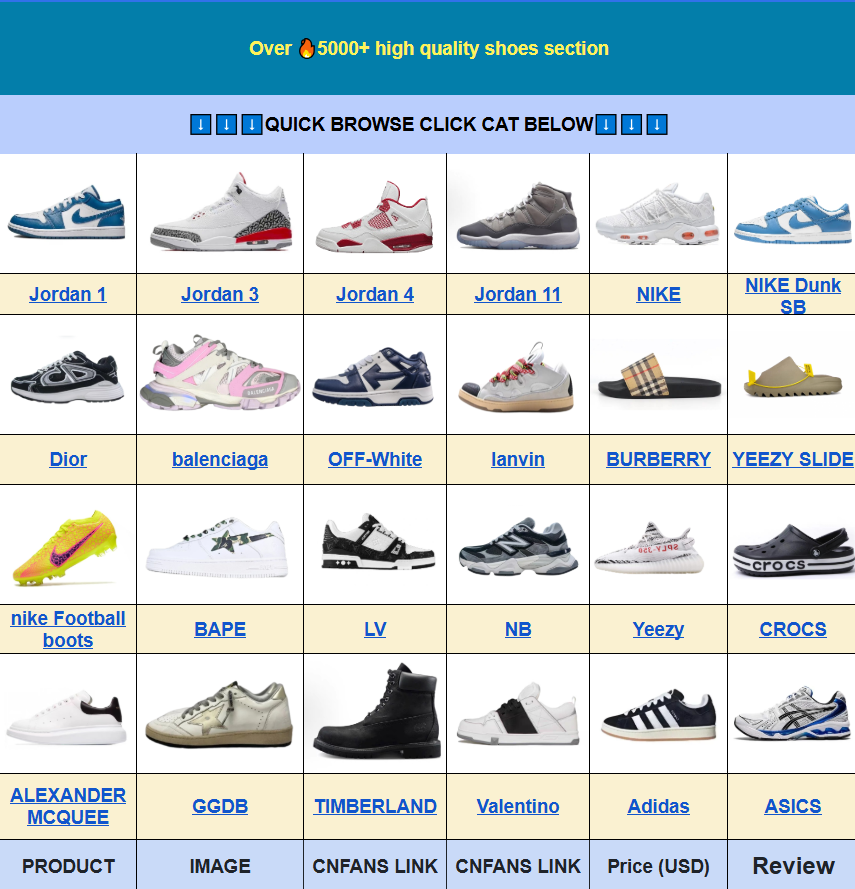
Brand Deep Dive (Real User Perspective)
Brand-based filtering is one of the strongest behavioral patterns among global users. Instead of browsing randomly, most experienced users jump directly into brand-specific QC pools.
Nike: Performance Meets Everyday Wear
The litbuy spreadsheet nike section is heavily used for sneaker and athletic wear exploration. Users typically look for consistency in shape, logo placement, and outsole detailing.
From a QC perspective, Nike listings tend to have more variation due to model complexity. Experienced users often cross-compare multiple batches before making a decision.
Gucci: High-Detail Fashion Layering
The Gucci category is often used for belts, small leather goods, and statement accessories. In this segment, visual inspection is critical—especially stitching density and buckle engraving precision.
Stussy: Streetwear Consistency
Stussy listings are popular among users who prefer relaxed streetwear aesthetics. The main advantage here is design consistency and wearable simplicity rather than intricate detailing.

QC & Listing Quality Logic
QC (Quality Control) imagery remains the backbone of decision-making. The system is built around transparency: users can visually inspect items before clicking through to purchase.
A typical QC workflow includes:
- Step 1: Open category or brand page
- Step 2: Scan QC images for defects or inconsistencies
- Step 3: Compare similar listings
- Step 4: Redirect to external ordering platform
This method significantly reduces mismatch risk and improves user confidence in cross-border purchasing environments.

Practical Tips for Summer Belt Shopping
- Stick to adjustable belt designs for summer flexibility
- Prefer lightweight materials for heat comfort
- Match belt tone with sneaker or accessory accents
- Use QC images to verify buckle symmetry and leather grain
FAQ (Real User Questions)
1. Is Litbuy Spreadsheet website safe?
From a user experience perspective, the system itself is a navigation layer rather than a payment processor. Safety depends on the external checkout platform. The advantage is that Litbuy reduces browsing friction and helps users verify items visually before leaving the site.
2. Does Litbuy Spreadsheet website share user data?
The platform primarily functions as a catalog interface. It does not act as a direct payment processor. However, as with any web-based system, users should always be aware of external links they interact with. Data handling ultimately depends on the destination platform, not the spreadsheet interface itself.
3. What are the benefits of using Litbuy Spreadsheet?
Key advantages include:
- Faster browsing compared to traditional spreadsheets
- Clear category-based structure
- Reduced loading delays (“no lag sheet experience”)
- Better QC visualization for decision-making
Final Thoughts
The 2026 iteration of Litbuy Spreadsheet reflects a broader shift in how global users interact with product discovery systems. Instead of static datasets, users now expect structured, fast, and visually guided browsing experiences.
For summer belt shopping specifically, the real value lies in combining category filtering, QC inspection, and brand-level comparison—all within a single navigable ecosystem.
As digital product curation continues evolving, platforms like Litbuy will likely move further toward fully dynamic storefront models, replacing traditional spreadsheets entirely.
🔗 Essential Summer Accessories: