
Smart Search Tip: Looking for more? To find items instantly, use single-word keywords (e.g., “nike” or “shoes”) instead of long sentences for the best results.
Finding reliable products, trusted sellers, and real QC photos can be one of the biggest challenges when building a haul. That’s exactly why the Best oopbuy Spreadsheet Archive has become one of the most useful resources for international shoppers in 2026. Instead of spending hours searching through scattered links, users can quickly browse organized categories, compare products, review QC images, and build a better haul with confidence. Whether you’re looking for sneakers, clothing, accessories, or luxury-inspired items, a well-maintained oopbuy Spreadsheet archive can dramatically simplify the entire buying process.
💡 Need to find specific active links fast? You can browse through the updated oopbuy Spreadsheet or head to our main litbuy spreadsheet 2026 portal to search across 10,000+ verified listings.
Quick Navigation
- What is the oopbuy Spreadsheet Website?
- Relationship Between oopbuy and the Spreadsheet
- Why Not Use Traditional Google Sheets?
- Major Benefits for Buyers
- How to Build the Perfect Haul
- Frequently Asked Questions
What Is the oopbuy Spreadsheet Website?
Many newcomers assume the spreadsheet is simply a collection of product links. In reality, modern oopbuy Spreadsheet websites have evolved far beyond that.
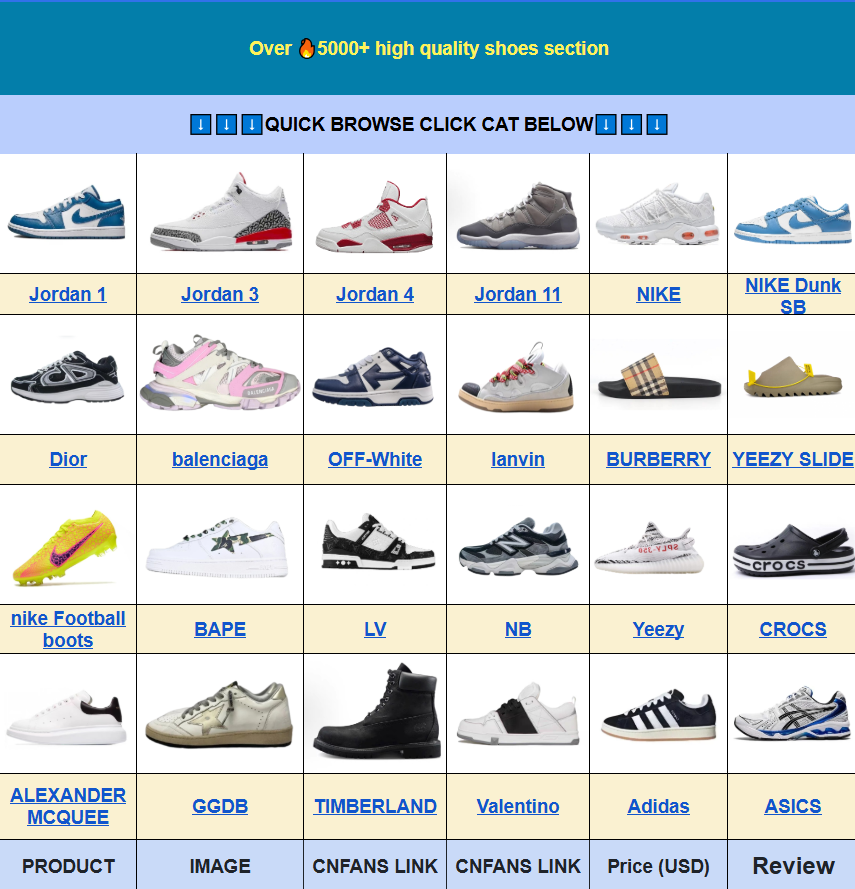
Instead of displaying thousands of products inside a slow-loading spreadsheet, dedicated archive websites transform spreadsheet data into a searchable shopping database. Products are categorized by brand, product type, popularity, and update date. This makes browsing much easier for users on both desktop and mobile devices.
From my own experience, the biggest advantage is speed. When researching products for a haul, I can quickly jump between categories, compare different sellers, and view QC photos without opening dozens of separate tabs.

A quality archive typically contains:
- Clothing collections
- Sneaker databases
- Luxury brand selections
- Budget-friendly finds
- QC photo references
- Popular community recommendations
- Updated seller links
What Is the Relationship Between oopbuy and the Spreadsheet?
This is one of the most common questions from first-time users.
The oopbuy Spreadsheet itself is not oopbuy. Instead, it functions as a discovery and research tool that helps users find products before placing an order through the oopbuy platform.
Think of it this way:
| Tool | Purpose |
|---|---|
| oopbuy Spreadsheet Archive | Product discovery and research |
| oopbuy Platform | Purchasing, warehousing, and shipping |
The spreadsheet archive helps shoppers locate products efficiently. Once a desired item is found, users typically proceed through oopbuy to purchase, store, inspect, and ship products internationally.
This separation actually benefits shoppers because specialized archive websites can focus entirely on product organization and user experience while oopbuy focuses on logistics and fulfillment.
Why Not Use Traditional Google Sheets?
Several years ago, most communities shared product databases through Google Sheets. While effective at the time, those spreadsheets often created problems as they grew larger.
After using both systems extensively, I’ve noticed several major limitations with Google Sheets:
| Google Sheets | Modern Spreadsheet Archive Website |
|---|---|
| Slow loading | Fast browsing |
| Poor mobile experience | Mobile optimized |
| Limited filtering | Advanced search options |
| Large spreadsheets lag | Handles thousands of products smoothly |
| Basic image display | Better QC image presentation |
As databases exceed 10,000 products, performance becomes increasingly important. Dedicated archive websites simply provide a better user experience.
Why Experienced Buyers Prefer an Archive Database
When building a haul, experienced shoppers usually focus on three things:
- Finding trustworthy products
- Checking QC photos
- Avoiding dead links
A regularly updated archive helps solve all three issues.
One practical strategy I often recommend is starting with a category search instead of a specific product search. This allows you to compare multiple versions, batches, and price points before making a decision.
For example, searching “hoodie” or “nike” often reveals dozens of alternatives that may offer better value than the first item you find.
How to Build the Perfect Haul Using the Archive
One mistake many beginners make is buying items one by one without a plan.
A better approach is to build a balanced haul that combines quality, budget, and shipping efficiency.
Step 1: Start with Core Items
Choose products you’ll actually wear regularly:
- Sneakers
- Hoodies
- T-shirts
- Jeans
- Jackets
Step 2: Verify QC Photos
Always review available QC photos before purchasing. Look for:
- Logo placement
- Material consistency
- Color accuracy
- Stitching quality
- Packaging condition
Step 3: Mix Price Levels
Not every item needs to be premium-priced. Combining high-priority items with budget-friendly accessories often creates a more cost-effective haul.
Step 4: Monitor Shipping Weight
International shipping costs increase as package weight rises. Planning ahead can save significant money during checkout.
Product Categories Commonly Found
| Category | Popularity | Beginner Friendly |
|---|---|---|
| Sneakers | Very High | Yes |
| Hoodies | High | Yes |
| T-Shirts | High | Yes |
| Accessories | Medium | Yes |
| Bags | High | Moderate |
| Luxury Fashion | High | Moderate |
Practical Shopping Tips From Personal Experience
After building multiple international hauls over the years, I’ve found that patience is usually rewarded.
Instead of buying the first product that appears in search results, compare several alternatives. Check seller reputation, examine QC photos carefully, and review community feedback whenever possible.
Another useful habit is saving products to a shortlist for several days before purchasing. This helps eliminate impulse purchases and often results in a more cohesive haul.
The best hauls are rarely the biggest ones. They’re the ones that combine quality products you’ll actually use.
Frequently Asked Questions
Q: What types of products are available on the oopbuy Spreadsheet?
A: Most archives include sneakers, clothing, jackets, hoodies, accessories, bags, watches, jewelry, and various fashion-related products from numerous brands and sellers.
Q: How is the product quality? Are there QC photos?
A: Many listings include QC photos or references that allow buyers to evaluate quality before purchasing. Reviewing QC images remains one of the best ways to assess an item.
Q: What benefits are there for first-time users?
A: New users often benefit from organized navigation, curated product selections, beginner guides, and promotional discounts available through associated buying platforms.
Q: What are the international shipping costs and delivery times?
A: Shipping costs vary depending on destination, carrier, package weight, and selected service. Delivery generally ranges from one to four weeks for most international destinations.
Q: What should I do if I receive an unsatisfactory product?
A: Contact the purchasing platform immediately, review return or exchange policies, and provide photos documenting the issue to facilitate resolution.
Q: Is the oopbuy Spreadsheet website mobile version easy to use?
A: Yes. Modern archive websites are specifically designed for mobile browsing and typically perform much better than traditional Google Sheets on smartphones.
Q: How do I search for items I want to buy?
A: Use short keywords rather than long sentences. Searches such as “nike”, “hoodie”, “jordan”, or “bag” usually return the most relevant results.
Q: What are its advantages compared to other oopbuy Spreadsheet websites?
A: The best archives offer larger databases, better organization, faster loading speeds, mobile optimization, frequent updates, and easier access to QC photos and seller information.
Final Thoughts
The modern oopbuy Spreadsheet archive has become far more than a simple collection of links. For serious shoppers, it serves as a powerful research tool that helps identify quality products, compare options, review QC photos, and build smarter hauls.
Whether you’re creating your first package or refining your buying strategy after years of experience, using a well-maintained archive can save time, reduce mistakes, and significantly improve your overall shopping experience.
🎁 NEXT STEP
Ready to explore the full 10,000+ source index?
Don’t miss out on the most comprehensive live-updating masterlist this year.