
Smart Search Tip: Looking for more? To find items instantly, use single-word keywords (e.g., “SHOES” or “T-SHIRT”) instead of long sentences for the best results.
Building a wardrobe that actually works day to day should not feel like a full-time job. That is why the joyagoo spreadsheet Lego method has become a practical shortcut for people who want results without the usual runaround. By organizing more than 15,000 fashion picks into clear, searchable sections, it lets you move from idea to option in far less time. Instead of bouncing between scattered seller pages, you start with a structured list that already reflects real shopping patterns. The difference shows up quickly—fewer dead ends, clearer comparisons, and a smoother path to pieces that fit both style and budget.
💡 Want to inspect items before buying? Visit our updated Joyabuy Spreadsheet with QC Photos to view high-resolution warehouse photos.
Jump to Section
What Is the Joyagoo Spreadsheet?
The joyagoo spreadsheet functions as a living index of product links, batch notes, and visual cues designed for shoppers who value speed and clarity. Rather than a static dump of random URLs, it groups items by type, keeps entries current, and often includes practical remarks about fit, fabric, or how a piece behaves in real wear. The goal is simple: reduce the time spent hunting so more energy goes into choosing.
I began relying on structured lists after too many evenings spent opening and closing the same scattered tabs. What made this one stand out was the consistent effort to keep the information usable—short notes that actually help, categories that make sense, and regular refreshes that reflect what people are searching for right now. You open it, type a clean keyword, and the relevant rows appear without extra steps.
Over months of use I noticed the same pattern among other regular shoppers: the spreadsheet works best when treated as a research layer rather than a final shopping cart. It surfaces options quickly, then you step into the product page for measurements, current stock, and any recent updates. That two-step rhythm keeps decisions grounded.

How It Connects with Joyagoo
Joyagoo operates as a platform that links buyers with a broad range of sellers offering streetwear apparel and mainstream brand styles. The spreadsheet sits alongside that system as an independent organizational tool. It does not replace the platform’s search or checkout features; it simply maps the most frequently requested or well-documented items so you reach them with less friction.
In daily practice this means you can start inside the list, locate a promising entry, and move straight to the product page for final checks. The relationship is practical rather than promotional—Joyagoo supplies the shopping environment, while the spreadsheet supplies a clearer starting map. People who already use tools such as the litbuy spreadsheet will recognize the same spirit of organization applied here with a fashion-focused lens.
Because the list is maintained separately, updates can appear faster than platform-wide changes. That separation is part of why many users keep it bookmarked as their first stop when planning a new order.
Real-World Use and Daily Workflow
After several seasons of testing different approaches, a reliable routine has emerged. Most efficient sessions follow a short sequence:
- Open the spreadsheet and enter one clear keyword.
- Scan the returned rows for batch notes or recent visual references.
- Open two or three product pages side by side to compare measurements and current photos.
- Note any preferred sellers or sizing patterns for future visits.
This flow removes most of the random scrolling that used to eat entire evenings. The cleaner the keyword, the tighter the results. Long descriptive sentences rarely help; short terms surface stronger matches. I keep a private note of my usual sizes and preferred silhouettes so the next session starts even closer to the finish line.
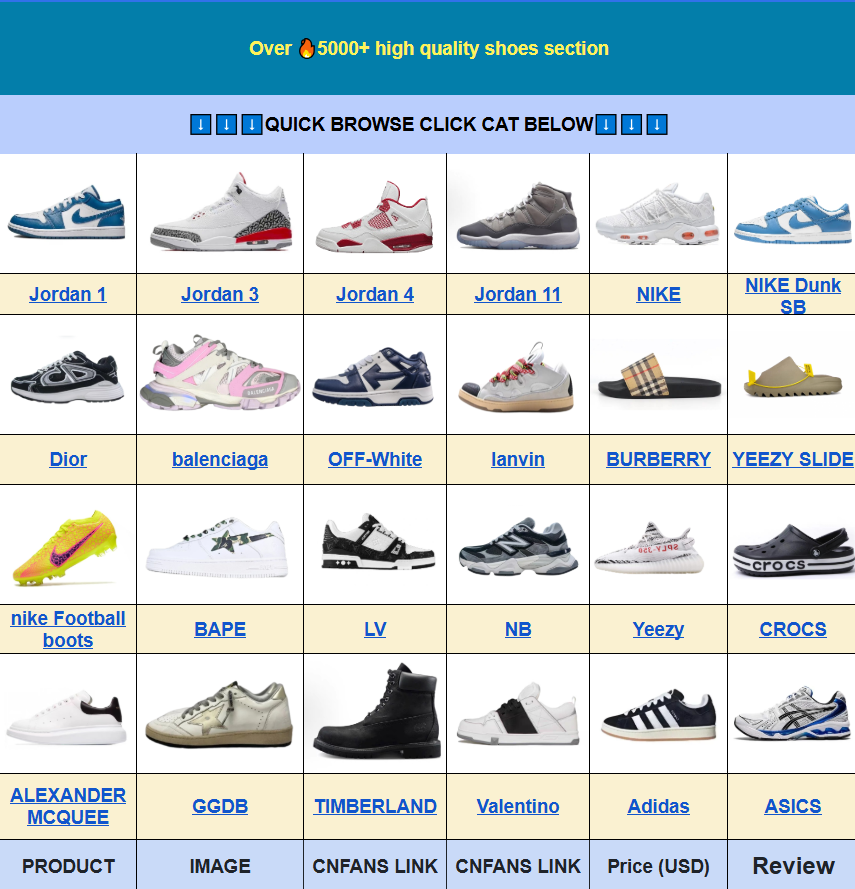
One quiet advantage is consistency across devices. The same short-keyword habit works on a phone during a lunch break or on a laptop at home. The layout stays readable, and the jump from list to product page remains quick.
Main Categories Overview
The selection covers everyday pieces through more distinctive looks. Here is a compact view of the groups that appear most often:
| Group | Typical Items | Practical Note |
|---|---|---|
| Tops & Layers | Tees, shirts, light knits | Fabric weight notes are common |
| Dresses & Co-ords | Casual dresses, matching sets | Length and stretch details help |
| Outerwear | Jackets, light coats, overshirts | Seasonal refreshes appear often |
| Bottoms | Trousers, skirts, shorts | Batch sizing guide is useful |
| Footwear | Sneakers, casual shoes | Check manufacturer dimensions |
| Accessories | Bags, caps, small extras | Easy to pair with existing pieces |
These groups expand and shift with the seasons. Summer entries grow denser in warmer months, while transitional layers appear earlier in the year. The table above is only a snapshot; the live list offers deeper rows and direct links.
Quality Expectations and Feedback
Quality remains the most common concern, and the honest answer is that it varies by batch and seller. No list can promise identical results on every item. What the stronger entries provide are reference points—notes on construction, fabric feel, or how a piece compared with earlier versions. Many also include visual references that help set realistic expectations before you order.
From my own orders and conversations with other regular users, the highest satisfaction comes when the spreadsheet information is treated as a starting filter rather than a guarantee. Cross-checking the product page for current photos and measurement charts closes most of the remaining gap. Preferences for fit and fabric still differ from person to person, so a few minutes of review almost always pays off.
Shoppers who already rely on resources such as the oopbuy spreadsheet tend to apply the same careful habits here. Verify, compare, and decide with the full picture in view.
Habits That Improve Results
A handful of small practices make repeated use smoother:
- Begin every search with a single clean keyword.
- Keep a short personal record of preferred sizes and silhouettes.
- Review the newest entries first when looking for seasonal pieces.
- Save frequently used links so return visits stay quick.
- Always glance at the batch sizing guide or manufacturer dimensions before confirming an order.
These habits turn a large collection into a personal tool that works with your routine instead of against it. Over time the spreadsheet feels less like a catalog and more like a familiar map.
Common Questions Answered
Q: How do I search for items I want to buy?
A: Stick to short, single-word terms such as “SHOES,” “DRESS,” or “JACKET.” Longer phrases usually return fewer useful rows. Once results appear, scan the notes and open the product page for full details. This method has consistently been faster than open browsing for me and for most people I know who use the list regularly.
Q: What types of products are available?
A: The focus stays on women’s fashion and related accessories—tops, dresses, sets, outerwear, bottoms, footwear, and smaller add-ons. You will also find pieces that sit within streetwear apparel and mainstream brand styles. Seasonal balance shifts, so lighter items dominate in warmer months while layers increase later in the year.
Q: Is the joyagoo Spreadsheet mobile version easy to use?
A: Yes. The layout remains clear on phones and tablets. Short-keyword searches work especially well on smaller screens because you can move through results without long scrolling sessions. I often check options during short breaks and find the experience remains practical.
Q: How is the product quality? Are there visual references?
A: Quality differs by batch and seller. Stronger entries include notes and visual references that help set expectations. Most consistent results come when you review those details alongside the product page’s own measurements and recent photos. Treating the list as a filter rather than a final verdict improves outcomes.
Q: What benefits are there for first-time users?
A: The biggest gain is a clearer starting point. Instead of beginning from zero, you open a structured selection that already reflects frequently requested items. First-time users often mention the time saved simply by having categories and notes ready to scan.
Q: What should I do if I receive an unsatisfactory product?
A: Reach out to the seller or platform support promptly and include clear photos of the issue. Most platforms maintain standard processes for returns or exchanges when items arrive with problems. Keeping your order details and message history organized usually helps the process move faster.
Q: What are the international shipping costs and delivery times?
A: Both depend on the shipping method chosen, destination country, and package weight. Lighter packages generally cost less and move more quickly. Always check the current rates and estimated windows on the product or cart page before confirming, because these figures can change.
📂 Explore Our Mega Joyagoo Hub:
- Joyagoo Spreadsheet Links — Access top-tier batches with verified quality control photos.
- Best Batch Joyagoo Spreadsheet — High-quality links and premium selections for the year.
- Joyagoo Spreadsheet Old Money — Classic aesthetics, minimalist designs, and vintage style guides.
- Joyagoo Spreadsheet Summer — The essential catalog for hot weather style and seasonal trends.
- Joyagoo Spreadsheet Women — Curated activewear, casual fits, and trending styles for women.
- Joyagoo Spreadsheet Shoes — Step up your collection with premium footwear and sneaker links.
When a resource returns hours to your week and reduces the usual friction of online shopping, it earns a permanent place in the routine. The joyagoo spreadsheet approach does exactly that for many people—by organizing the options first, it lets the actual decision-making happen with clearer eyes and less wasted motion.