
If you’ve ever struggled with slow-loading Google Sheets while trying to browse curated product lists, you’re not alone. The Latest Litbuy Spreadsheet Sets approach transforms that experience into something much more responsive and structured. Instead of dealing with laggy spreadsheets, users can explore categorized product data through a streamlined interface designed for speed, clarity, and usability.
In this guide, I’ll walk you through how to navigate Litbuy’s spreadsheet ecosystem, how the structure improves usability, and what to expect when using it in real-world browsing and purchasing scenarios. This is written from a practical standpoint, based on how users typically interact with curated product catalogs in this format.
Table of Contents
- Overview of Litbuy Spreadsheet Sets
- How Navigation Works
- Understanding Categories
- QC and Product Evaluation
- Spreadsheet vs Traditional Browsing
- How to Order
- Practical Tips for Better Results
- FAQ
Overview of Litbuy Spreadsheet Sets
At its core, Litbuy Spreadsheet Sets are a structured, web-based representation of curated product data that would otherwise exist in a Google Sheet. Instead of scrolling through large, slow-loading tables, users interact with categorized pages that load faster and provide a more intuitive browsing experience.
You can explore the homepage here: litbuy spreadsheet
which acts as the central entry point for all collections and categories.
From a user perspective, the biggest advantage is speed combined with organization. Rather than searching manually inside a spreadsheet, the platform organizes products into meaningful clusters such as apparel, accessories, and seasonal collections.
How Navigation Works
Navigation is one of the strongest aspects of this system. Instead of one massive sheet, the data is distributed across structured category pages.

The interface typically includes category-based browsing, brand filters, and item-type segmentation. This reduces cognitive load and allows users to quickly find what they are looking for without excessive scrolling.
For example, if you’re exploring seasonal collections, you might start here: Latest Litbuy Spreadsheet Sets 2026
which aggregates general-purpose listings across multiple product types.
Understanding Categories in the Ecosystem
Litbuy organizes products into dedicated clusters, each serving a specific purpose. This modular approach makes browsing more efficient compared to traditional spreadsheets.
| Category | Description | User Intent |
|---|---|---|
| Sets | Mixed collections of items across categories | General browsing, discovery |
| Shorts | Casual and seasonal wear | Warm-weather outfits |
| Hoodies & Sweaters | Layered apparel | Comfort and daily wear |
| Jackets | Outerwear selections | Weather protection + style |
| Jersey | Sports and themed apparel | Team-based or aesthetic picks |
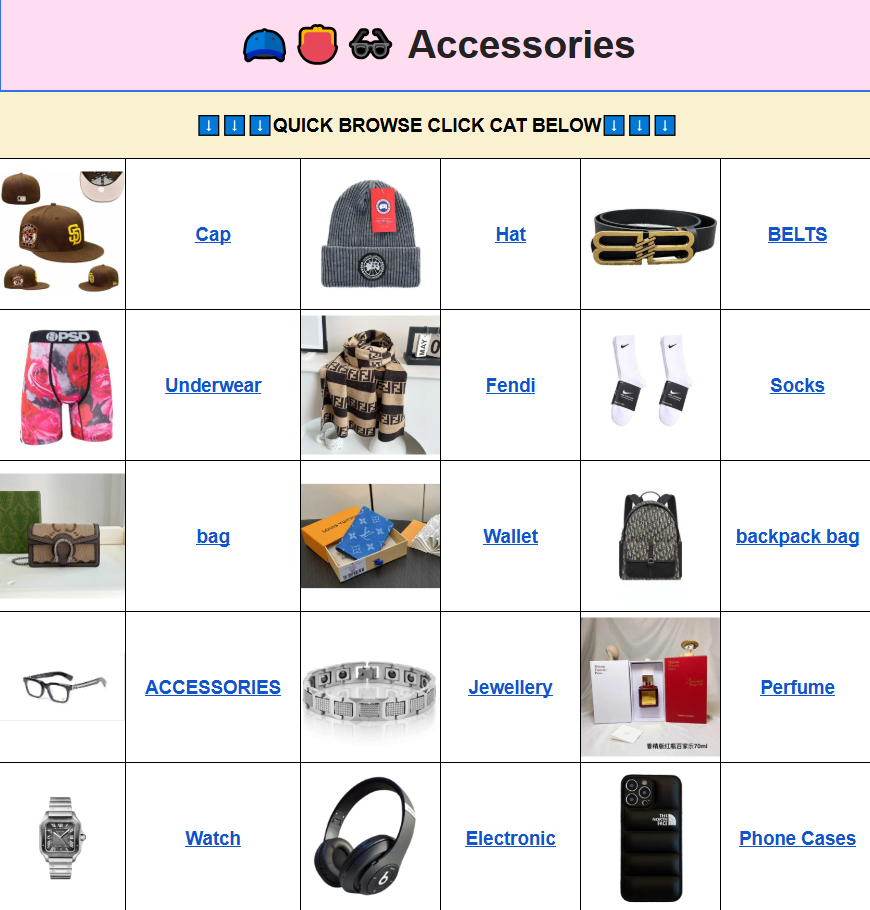
| Other Items | Miscellaneous products | Accessories and niche finds |
Each category is designed to reduce friction in browsing and improve the overall discovery process. For deeper dives into seasonal apparel, users often explore: curated hoodie and sweater selections
which tend to include a wide range of styles and QC-reviewed listings.

QC Insights and Product Evaluation
One of the defining features of modern spreadsheet-based catalogs is the inclusion of QC (Quality Control) references. Instead of relying solely on product descriptions, users can often review visual checks and community-sourced insights.
This is where the distinction between generic listings and litbuy spreadsheet with qc becomes meaningful. QC-based entries provide additional context such as stitching accuracy, material consistency, and real-world appearance.

From experience, QC-backed entries significantly reduce uncertainty. Instead of guessing product quality from marketing images, you can evaluate actual user-submitted visuals and comparisons.
Spreadsheet vs Traditional Browsing
The shift from Google Sheets to a web-based catalog solves several key issues:
| Aspect | Google Sheets | Litbuy Spreadsheet Site |
|---|---|---|
| Loading Speed | Often slow with large datasets | Optimized for fast browsing |
| Navigation | Manual scrolling/searching | Category-driven structure |
| User Experience | Raw data interface | Visual and structured layout |
| Accessibility | Limited on mobile | Responsive design |
| QC Integration | Inconsistent | Often embedded or linked |
For users exploring multiple product types, browsing a structured catalog is significantly more efficient than navigating a raw spreadsheet.
If you’re comparing outerwear options, for example, this curated section is useful: Litbuy Spreadsheet Jackets 2026
which groups similar items together for easier evaluation.
How to Order from Litbuy
The ordering process follows a simple flow, designed around external checkout systems rather than direct on-site purchases.
- Browse categories and identify a product
- Review QC images and details
- Click the product link
- You will be redirected to a代购 or external platform
- Complete the order on that platform
This model separates browsing from purchasing, which allows Litbuy to focus on catalog organization while leveraging external systems for fulfillment.
From a practical standpoint, this also means users should double-check sizing, product notes, and QC references before leaving the catalog page.
Practical Tips for Better Results
After using spreadsheet-style catalogs extensively, here are some practical observations:
- Always check QC images before committing to a product
- Use category pages rather than searching randomly
- Compare similar items within the same category
- Pay attention to update frequency of listings
- Bookmark frequently used sections for faster access
For example, if you’re exploring casual outfits, this category is a good starting point: shorts catalog
which helps narrow down seasonal selections quickly.
Frequently Asked Questions
Is the Litbuy spreadsheet website safe?
The platform itself functions as a browsing and catalog interface. Safety largely depends on how users interact with external checkout links. It is recommended to verify external platforms, review QC details, and avoid sharing sensitive data on unfamiliar sites.
Does the Litbuy spreadsheet website share user data?
There is no indication that the spreadsheet-style catalog itself requires personal data for browsing. However, any external platform used during checkout may have its own privacy policies. Users should review those independently.
What are the benefits of using the Litbuy spreadsheet website?
The main advantages include:
- Faster browsing compared to Google Sheets
- Clear category segmentation
- Improved accessibility on different devices
- QC-supported product insights
- More intuitive navigation structure
Is litbuy Spreadsheet safe?
From a browsing perspective, the system is generally safe as a catalog interface. The key consideration lies in external ordering steps, where users should ensure they are using trusted platforms and verifying product details before purchase.
How to order from Litbuy?
Browse the catalog, select an item, review QC details, and follow the external link to complete the order on the associated platform. The Litbuy interface itself does not handle checkout directly.
Why not use Google Sheets?
Google Sheets can become slow and difficult to navigate when handling large datasets. In contrast, a web-based catalog improves performance, organizes content into categories, and enhances usability across devices.
Do you update daily?
Update frequency may vary depending on the dataset and category. Some sections are updated more frequently than others. It’s best to revisit specific category pages regularly if you’re tracking new additions.
Final Thoughts
The Latest Litbuy Spreadsheet Sets format represents a practical evolution of spreadsheet-based product discovery. By moving from raw tables to structured web pages, users gain speed, clarity, and a more manageable browsing experience.
Whether you’re exploring general collections or diving into niche categories, the combination of categorized navigation and QC references makes the process more efficient and less overwhelming. If used properly, it becomes less about searching and more about filtering through curated options with confidence.