
Smart Search Tip: Looking for more? To find items instantly, use single-word keywords (e.g., “SHOES” or “T-SHIRT”) instead of long sentences for the best results.
Accessories often decide whether an outfit feels finished or unfinished, yet hunting for the right bag, cap, or small item across scattered sources wastes time. The joyagoo spreadsheet accessories section gathers those pieces into one filterable view so budget-conscious fashion lovers can scan options, check notes, and move toward warehouse photos without endless scrolling. After several seasons of using the same layout I have found it especially useful for lighter, lower-volume items that ship more economically while still adding clear style impact.
💡 Want to inspect items before buying? Visit our updated Joyabuy Spreadsheet with QC to view high-resolution warehouse photos.
Quick Links
- What the Joyagoo Spreadsheet Actually Is
- Its Working Relationship with Joyagoo
- Why Accessories Deserve Their Own View
- Practical Ways to Locate Items
- Photo Checks and Everyday Quality Notes
- Habits That Improved My Own Orders
- Questions Shoppers Ask Most
What the Joyagoo Spreadsheet Actually Is
Think of the Joyagoo Spreadsheet as a living catalog rather than a static page. Columns typically hold product names, agent links, approximate price ranges, and short notes on current batches or materials. Filters let you isolate categories so the view stays focused. I open it the same way I open a project spreadsheet at work—scan, sort, copy the useful row, and move on.
The format shines because everything stays visible at once. No buried chat messages or temporary social posts that disappear overnight. When a new batch arrives or an older link needs updating, the sheet can be refreshed independently. That flexibility keeps the information practical instead of frozen in time.
Over repeated use the layout becomes familiar enough that locating a specific style or accessory takes only a few clicks. The spreadsheet itself never processes payments or handles shipping; it simply organizes the choices so the next steps feel cleaner.
Its Working Relationship with Joyagoo
Joyagoo operates as the purchasing and logistics service. The spreadsheet sits in front of that process. You spot an item on the sheet, copy the link, place the order inside the Joyagoo interface, request warehouse photos if needed, and select a shipping line. The two tools complement each other without overlapping.
In practice I keep both open during a session. The sheet answers the “what looks interesting” question; the platform answers the “can I buy it today and when will it arrive” question. This separation also keeps expectations realistic—the spreadsheet is a community-maintained companion, not an official Joyagoo product page.
Because the sheet can be updated on its own schedule, new accessory drops or refreshed links appear without waiting for platform-side changes. That independence is one of the quiet advantages regular users notice after a few months.
Why Accessories Deserve Their Own View
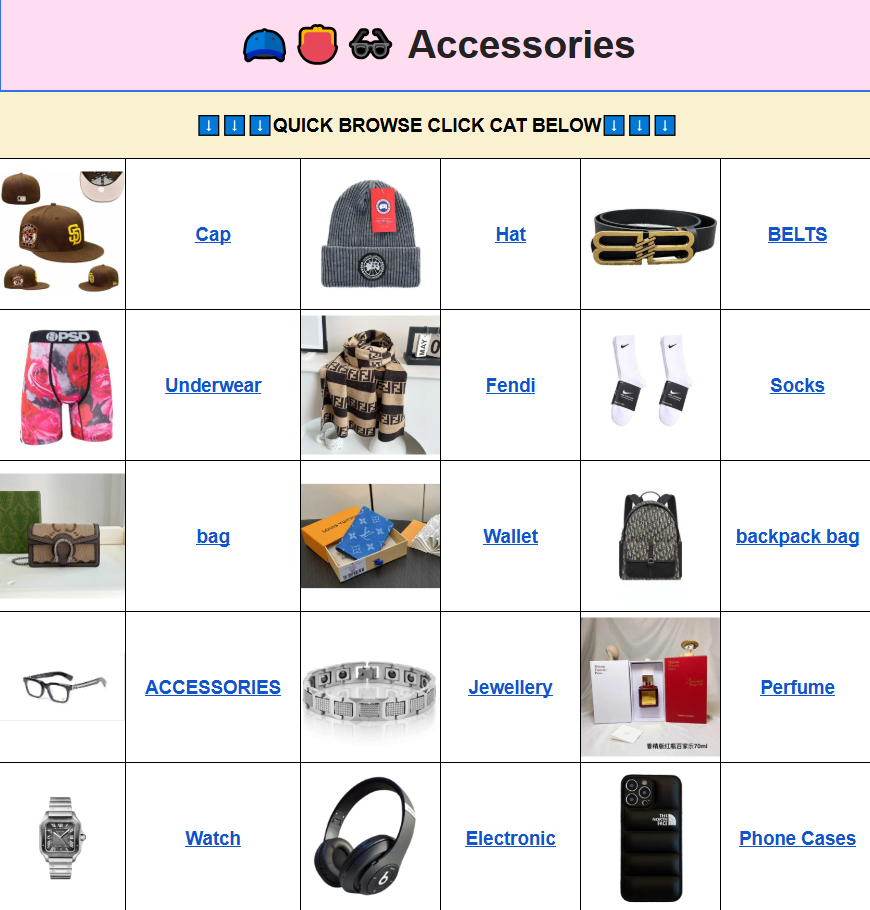
Bags, caps, belts, and smaller goods often carry lower shipping weight than footwear or outerwear, which makes them attractive for testing new styles or filling out an order. The accessories section of the spreadsheet groups these items so you can scan them without the noise of larger categories.
I have found that accessories also reveal construction details more clearly in warehouse photos—stitching on a bag strap or the shape of a cap brim shows up well under consistent lighting. That visual clarity supports faster decisions and fewer surprises on arrival.
| Accessory Type | Typical Finds | What I Usually Check |
|---|---|---|
| Bags & Crossbodies | Everyday totes, compact crossbodies | Strap length and interior notes |
| Headwear | Caps, beanies, simple hats | Brim shape and fabric feel |
| Small Goods | Belts, wallets, key items | Weight for shipping estimates |
| Seasonal Add-ons | Lightweight summer pieces, colder-weather extras | How recently links were refreshed |
Having these items isolated makes it easier to complete an outfit or keep shipping costs predictable. Many shoppers, myself included, often add one or two accessories to an existing order of clothing simply because the extra weight remains modest.
Practical Ways to Locate Items
Single-word searches remain the most reliable method. Typing “bag,” “cap,” or “belt” into the filter usually returns cleaner results than long descriptive phrases. Once a shortlist appears I glance at any attached notes and decide whether current warehouse photos are already linked.
Two external resources sit in my browser sidebar for the same reason. The regularly updated litbuy spreadsheet expands the organized approach across more categories. For another photo-focused view I often open the oopbuy spreadsheet. Together they cover most of the ground without forcing me to rebuild the search every time.

After copying a link into the agent system the next step is almost always a photo request for any first-time or higher-value accessory. The few minutes spent waiting have consistently reduced returns and mismatched expectations.
Photo Checks and Everyday Quality Notes
Quality varies across batches, which is why warehouse photos matter more than product-page renders. Once an item reaches the warehouse, agents can photograph it under consistent lighting. Those images reveal stitching, hardware finish, and overall construction with far greater clarity.
My personal threshold is straightforward: if the accessory is new to me or sits above a modest price point, I request photos before approving final shipping. When images are already attached inside the spreadsheet the review becomes even faster, yet I still confirm they match the current production run.
This photo-first habit has become automatic. It turns an otherwise uncertain purchase into a more deliberate one and supports the kind of careful spending that keeps long-term shopping sustainable.
Habits That Improved My Own Orders
After enough cycles a few patterns stand out. Measurements still matter even for accessories—strap length on a bag or circumference on a belt can differ between manufacturers. Comparing the listed dimensions against pieces I already own prevents most fit issues.
Shipping cost and timing reward a little advance thought. Accessories generally travel more economically than footwear or structured outerwear, so they are useful for filling an order without pushing the total weight into a higher bracket. I check the estimated delivery window at checkout and choose the line that balances speed against budget for that particular package.
When an item arrives and does not meet expectations the path is usually clear. I contact support promptly with photos of the issue, include the order reference, and keep the tone factual. Most platforms maintain a defined window for returns or exchanges, and clear documentation keeps the process moving.
The longer the spreadsheet stays part of the routine, the more it feels like a personal operating system for shopping. Small, repeatable habits—single-word searches, photo requests, measurement checks—compound into fewer surprises and more satisfying arrivals.
Questions Shoppers Ask Most
Q: How do I search for items I want to buy?
A: Use single clear words inside the spreadsheet filters or the agent search bar. Terms such as “bag,” “cap,” or “belt” surface cleaner results than full sentences. Once a promising link appears, copy it into the purchasing platform and request current warehouse photos if they are not already shown.
Q: Is the joyagoo Spreadsheet mobile version easy to use?
A: It works well for quick checks. Landscape orientation and pinch-to-zoom help with denser columns. For longer browsing sessions a larger screen remains more comfortable, yet the mobile view is perfectly usable when I only need to confirm a link or price range.
Q: What types of products are available?
A: The accessories section focuses on bags, headwear, belts, wallets, and smaller goods, while the wider spreadsheet also covers tops, outerwear, bottoms, and footwear. Seasonal collections rotate with the weather, and the selection shifts as new batches appear.
Q: What are its advantages compared to other joyagoo Spreadsheet versions?
A: The strongest practical edge is the combination of filterable columns and easy access to warehouse photos. Many other lists scatter the same information across temporary posts or chat histories. Having everything in one view reduces the back-and-forth that used to slow decisions.
Q: How is the product quality? Are there QC photos?
A: Quality varies by batch, so warehouse photos remain the most reliable check. Most agent services allow high-resolution images after the item arrives at the warehouse. Reviewing those photos before final shipping approval gives a clear look at construction and finish details.
Q: What benefits are there for first-time users?
A: The structured layout removes the need to dig through scattered sources. First-time shoppers can scan options, request photos, and place an order with far less trial and error. The learning curve shortens once the filter-and-photo habit becomes familiar.
Q: What should I do if I receive an unsatisfactory product?
A: Contact the agent support team promptly with clear photos of the issue and the order reference. Most platforms maintain a defined window for returns or exchanges. Factual documentation and polite communication usually keep the process moving smoothly.
📂 Explore Our Mega Joyagoo Hub:
- Joyagoo Spreadsheet Links — Access top-tier batches with verified quality control photos.
- Best Batch Joyagoo Spreadsheet — High-quality links and premium selections for the year.
- Joyagoo Spreadsheet Old Money — Classic aesthetics, minimalist designs, and vintage style guides.
- Joyagoo Spreadsheet Summer — The essential catalog for hot weather style and seasonal trends.
- Joyagoo Spreadsheet Women — Curated activewear, casual fits, and trending styles for women.
- Joyagoo Spreadsheet Shoes — Step up your collection with premium footwear and sneaker links.
Treating the Joyagoo Spreadsheet Accessories section as a working tool rather than a static list turns scattered browsing into a repeatable process. Single-word searches, photo requests, and simple measurement checks compound over time. Pair the sheet with a reliable agent platform, keep a short personal log of what worked, and each new order becomes noticeably smoother than the last.