
Smart Search Tip: Looking for more? To find items instantly, use single-word keywords (e.g., “SHOES” or “T-SHIRT”) instead of long sentences for the best results.
Shopping for new pieces across borders often means juggling tabs, outdated links, and unclear details. The joyagoo spreadsheet buying guide changes that by giving budget-conscious fashion lovers a single, filterable place to scan options, check notes, and move toward warehouse photos faster. Over multiple ordering seasons I have watched the same layout cut decision time dramatically—especially when comparing fits or seasonal drops—while still leaving room for personal taste and careful spending.
💡 Want to inspect items before buying? Visit our updated Joyabuy Spreadsheet with QC Photos to view high-resolution warehouse photos.
Jump to Section
- What Is the Joyagoo Spreadsheet?
- How It Connects with Joyagoo
- Finding Items Without the Clutter
- What You Can Actually Browse
- Quality Notes and Photo Checks
- Lessons from Repeated Orders
- Common Questions Answered
What Is the Joyagoo Spreadsheet?
At its core the Joyagoo Spreadsheet is a living, column-based catalog. Rows hold product names, direct agent links, rough price bands, and short notes on current batches or fabric feel. Columns can be filtered so a quick sort by category or season pulls only what you need. I treat it the way some people treat a well-organized bookmark folder—except the information stays visible side-by-side instead of buried in separate pages.
The practical advantage shows up the moment you open it on a second monitor next to an agent dashboard. You scan a dozen options, copy the one that fits, paste the link, and request photos if none are already attached. That workflow has become automatic for me after dozens of orders. The sheet itself does not process payments or ship packages; it simply surfaces the choices more cleanly than endless social feeds or scattered group chats.
Because the data is community-maintained and regularly refreshed, older links get replaced and new drops appear without forcing users to hunt through multiple sources. The result feels less like a static list and more like a working tool that evolves with the seasons.

How It Connects with Joyagoo
Joyagoo functions as the purchasing and logistics layer. The spreadsheet sits upstream of that process. You discover an item on the sheet, then move into the Joyagoo interface to place the order, request warehouse photos, and choose a shipping line. The two pieces complement each other rather than compete.
In daily use the relationship looks like this: the sheet answers “what is available and roughly how does it look,” while the platform answers “can I buy it today and how long will it take to arrive.” Keeping both open at the same time removes most of the friction I used to feel when links lived only in chat histories or temporary posts.
This separation also keeps expectations realistic. The spreadsheet is not an official Joyagoo product; it is a practical companion built around the kinds of items people commonly order through the service. When a link changes or a batch updates, the sheet can be adjusted independently without waiting for platform-side changes.
Finding Items Without the Clutter
The fastest way to locate something is still the simplest. Type a single clear word—“hoodie,” “sneakers,” “bag”—into the filter or the agent search bar. Long descriptive phrases usually return noise. Once a shortlist appears, I glance at any attached notes and then decide whether to request fresh warehouse photos.
Two external resources often sit in my browser sidebar for the same reason. One is the regularly updated litbuy spreadsheet collection that expands the same organized approach. The other is the photo-focused kakobuy spreadsheet with QC, which makes visual checks even quicker. Together they cover most of the ground I need without forcing me to reinvent the search every time.
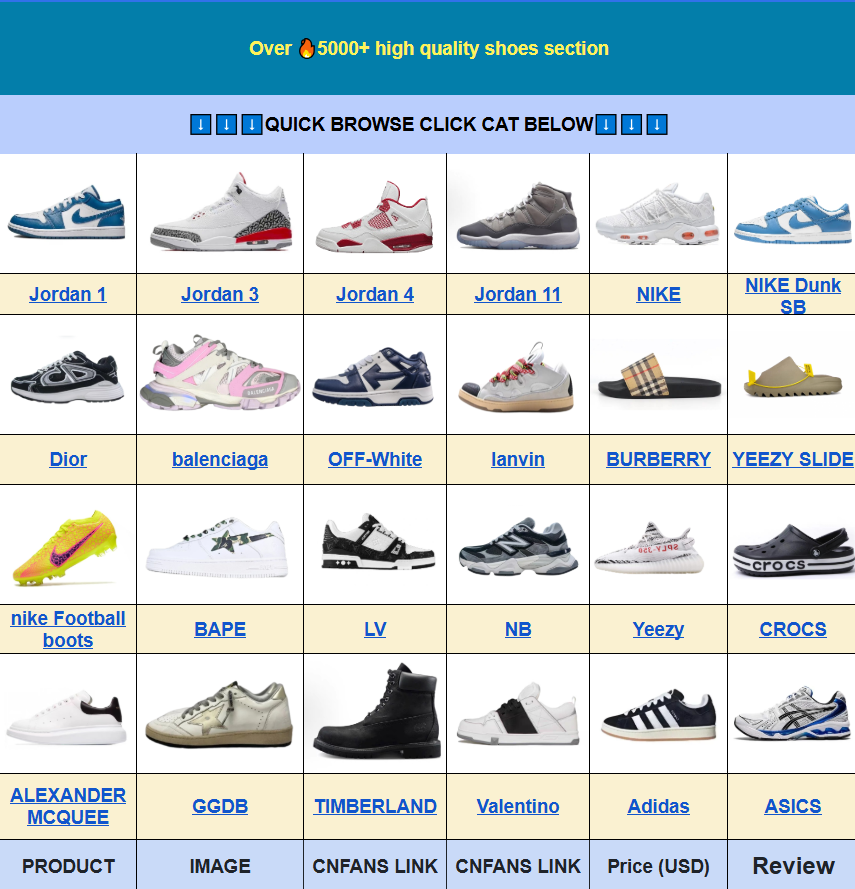
After the link is copied into the agent system, the real verification begins. I almost always ask for current warehouse photos on first-time or higher-value pieces. The few minutes spent waiting for those images have saved more returns than any other habit I have developed.
What You Can Actually Browse
The range covers everyday wear and seasonal pieces. Tops, outerwear, bottoms, footwear, and smaller accessories appear most often. Seasonal tabs shift with the weather—lighter fabrics in warmer months, heavier layers when temperatures drop.
| Section | Common Finds | What I Check First |
|---|---|---|
| Everyday Tops | Tees, long sleeves, light knits | Fabric weight and length notes |
| Outer Layers | Jackets, hoodies, wind shells | Season tags and layering fit |
| Footwear | Casual sneakers, simple shoes | Manufacturer dimensions and batch notes |
| Accessories | Bags, caps, small goods | Weight for shipping estimates |
| Seasonal Sets | Summer mixes, colder-weather pieces | How recently the links were refreshed |
Having the categories laid out this way lets me plan full outfits instead of chasing single items. I sometimes copy promising rows into a private sheet so I can revisit them later without losing the original filters.
Quality Notes and Photo Checks
Quality is never uniform across every batch, which is exactly why warehouse photos matter. Once an item reaches the warehouse, agents can photograph it under consistent lighting. Those images show stitching, color accuracy, and overall construction far better than product-page renders.
My personal rule is simple: if the piece is new to me or sits above a certain price threshold, I request photos before approving the final ship. The extra step feels minor compared with the cost of a return or the disappointment of an unexpected finish. When photos are already linked inside the spreadsheet, the review becomes even faster—yet I still double-check that the images match the current production run.
Over time this photo-first habit has become the single most reliable way to keep expectations aligned with what actually arrives.
Lessons from Repeated Orders
After enough cycles certain patterns stand out. Sizing is the biggest variable. Different manufacturers grade garments differently, so I always compare the listed measurements against pieces I already own rather than trusting the labeled size alone. A clear batch sizing guide or manufacturer dimensions column is worth more than any marketing description.
Shipping cost and timing also reward a little advance thought. Lightweight tops and accessories travel more economically; footwear and structured outerwear add volume and price. I check the estimated delivery window at checkout and choose the line that balances speed against budget for that particular order.
When something does not meet expectations, the path is usually straightforward. I contact support with clear photos of the issue, include the order reference, and stay polite. Most platforms have a defined window for returns or exchanges, and prompt documentation keeps the process moving.
The longer I use the spreadsheet alongside the agent system, the more it feels like a personal operating system for shopping rather than a one-off list. Small habits—single-word searches, photo requests, measurement checks—compound into fewer surprises and more satisfying arrivals.
Common Questions Answered
Q: How do I search for items I want to buy?
A: Stick to single clear words inside the spreadsheet filters or the agent search. “Sneakers,” “hoodie,” or “jacket” surface cleaner results than full sentences. Once a promising link appears, copy it into the purchasing platform and request current warehouse photos if they are missing.
Q: What are its advantages compared to other joyagoo Spreadsheet versions?
A: The strongest edge is the combination of organized columns and easy photo access. Many other lists scatter the same information across chats or temporary posts. Having everything filterable in one view, then pairing it with warehouse images, reduces the back-and-forth that used to slow me down.
Q: Is the joyagoo Spreadsheet mobile version easy to use?
A: It works for quick checks. Landscape mode and pinch-to-zoom help with denser columns. For longer browsing sessions I still prefer a larger screen, yet the mobile view is perfectly usable when I only need to confirm a link or price range.
Q: What types of products are available?
A: Expect tops, outerwear, bottoms, footwear, and accessories, plus seasonal collections that rotate with the weather. Everyday basics sit alongside trend-driven pieces, and the selection shifts as new batches appear and older links are refreshed.
Q: How is the product quality? Are there QC photos?
A: Quality varies by batch, so warehouse photos are the real safeguard. Most agent services let you request high-resolution images after the item arrives at the warehouse. Reviewing those photos before final shipping approval gives a clear look at construction and color.
Q: What benefits are there for first-time users?
A: The structured layout removes the need to dig through scattered sources. First-time shoppers can scan options, request photos, and place an order with far less trial and error. The learning curve shortens once the filter-and-photo habit clicks.
Q: What are the international shipping costs and delivery times?
A: Costs depend on weight, destination, and the shipping line you choose. Lightweight clothing is usually more affordable; shoes and bulky outerwear raise the total. Delivery windows commonly stretch from one to several weeks after the package leaves the warehouse—exact estimates appear at checkout.
📂 Explore Our Mega Joyagoo Hub:
- Joyagoo Spreadsheet Links — Access top-tier batches with verified quality control photos.
- Best Batch Joyagoo Spreadsheet — High-quality links and premium selections for the year.
- Joyagoo Spreadsheet Old Money — Classic aesthetics, minimalist designs, and vintage style guides.
- Joyagoo Spreadsheet Summer — The essential catalog for hot weather style and seasonal trends.
- Joyagoo Spreadsheet Women — Curated activewear, casual fits, and trending styles for women.
- Joyagoo Spreadsheet Shoes — Step up your collection with premium footwear and sneaker links.
Treating the Joyagoo Spreadsheet Buying Guide as a working tool rather than a static list turns scattered browsing into a repeatable process. Single-word searches, photo requests, and measurement checks compound over time. Pair the sheet with a reliable agent platform, keep a short personal log of what worked, and the next order becomes noticeably smoother than the last.